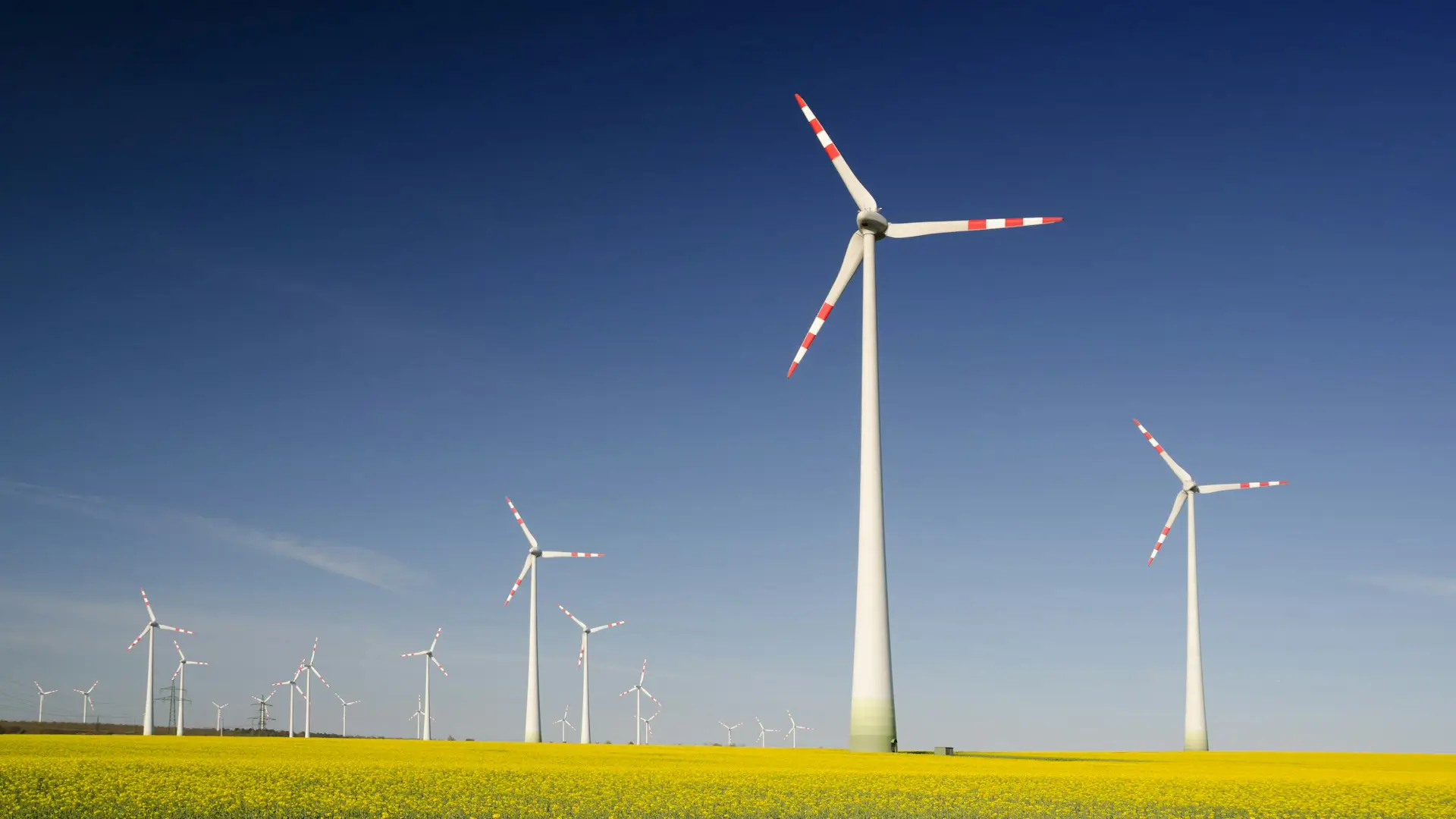

The transition to renewable energy is accelerating at an unprecedented pace, driven by technological advancements, policy support, and growing awareness of the need to combat climate change. In 2024, investments in renewable energy are reaching new heights, with significant developments in solar, wind, and other clean energy sources. This article explores the latest trends and innovations in renewable energy and their implications for a sustainable future.
Solar Energy: Breaking New Ground
Solar energy continues to lead the renewable energy sector, with record-breaking installations and technological advancements driving its growth.
Solar Power Expansion
Global solar capacity is expanding rapidly, with countries like China, the United States, and India leading the charge. In 2024, the global solar capacity is expected to surpass 1 terawatt (TW), a significant milestone in the transition to clean energy. Large-scale solar farms are being developed across the world, contributing to this rapid expansion.
Perovskite Solar Cells
One of the most exciting advancements in solar technology is the development of perovskite solar cells. These cells offer several advantages over traditional silicon-based cells, including higher efficiency, lower production costs, and flexibility. Researchers have achieved record efficiencies with perovskite cells, and commercial production is on the horizon. Companies like Oxford PV and Saule Technologies are at the forefront of bringing perovskite solar cells to the market.
Wind Energy: Reaching New Heights
Wind energy is another key player in the renewable energy landscape, with significant advancements in both onshore and offshore wind technologies.
Offshore Wind Farms
Offshore wind farms are gaining momentum, with new projects being developed in regions like Europe, Asia, and North America. These wind farms have the potential to generate vast amounts of clean energy, taking advantage of strong and consistent wind patterns over the ocean. In 2024, several major offshore wind projects, such as the Dogger Bank Wind Farm in the UK and the Vineyard Wind Project in the US, are set to become operational, adding substantial capacity to the global wind energy portfolio.
Floating Wind Turbines
Floating wind turbines represent a groundbreaking innovation in wind energy. Unlike traditional fixed-bottom turbines, floating turbines can be deployed in deeper waters, opening up new areas for wind energy generation. Companies like Equinor and Principle Power are pioneering the development of floating wind farms, with pilot projects already demonstrating their viability.
Energy Storage: Enabling Renewable Integration
Energy storage is a critical component of the renewable energy transition, enabling the integration of intermittent sources like solar and wind into the grid.
Lithium-Ion Batteries
Lithium-ion batteries continue to dominate the energy storage market, with improvements in energy density, cost, and cycle life driving their adoption. Large-scale battery storage projects are being developed to provide grid stability and support renewable energy integration. In 2024, the global energy storage capacity is expected to exceed 500 gigawatt-hours (GWh), driven by significant investments and technological advancements.
Solid-State Batteries
Solid-state batteries represent the next frontier in energy storage technology. These batteries offer higher energy density, improved safety, and longer lifespans compared to traditional lithium-ion batteries. Companies like QuantumScape and Solid Power are making significant progress in developing solid-state batteries for both electric vehicles and grid storage applications.
Green Hydrogen: A Promising Solution
Green hydrogen, produced through the electrolysis of water using renewable energy, is emerging as a promising solution for decarbonizing sectors that are difficult to electrify, such as heavy industry and transportation.
Electrolyzer Technology
Advancements in electrolyzer technology are driving the growth of green hydrogen production. Companies like Nel Hydrogen and ITM Power are developing more efficient and cost-effective electrolyzers, making green hydrogen a viable alternative to fossil fuels. In 2024, several large-scale green hydrogen projects are set to come online, further boosting the production capacity.
Hydrogen Fuel Cells
Hydrogen fuel cells are gaining traction as a clean energy solution for transportation and industrial applications. These fuel cells convert hydrogen into electricity, producing only water as a byproduct. Companies like Toyota and Ballard Power Systems are leading the development of hydrogen fuel cell technologies, with new applications emerging in buses, trucks, and even aviation.
Policy Support and Global Initiatives
Government policies and global initiatives are playing a crucial role in accelerating the adoption of renewable energy.
Climate Targets and Renewable Mandates
Countries around the world are setting ambitious climate targets and renewable energy mandates to reduce greenhouse gas emissions and promote clean energy. The European Union’s Green Deal, the United States’ Clean Energy Standard, and China’s carbon neutrality goals are just a few examples of the policy support driving the renewable energy transition.
International Collaboration
International collaboration is also key to advancing renewable energy. Initiatives like the International Solar Alliance (ISA) and the Global Wind Energy Council (GWEC) are fostering cooperation and knowledge sharing among countries, accelerating the deployment of renewable energy technologies worldwide.
Conclusion
The surge in renewable energy investments is paving the way for a sustainable future, with significant advancements in solar, wind, energy storage, and green hydrogen. Technological innovations, policy support, and global collaboration are driving the transition to clean energy, reducing greenhouse gas emissions, and mitigating the impacts of climate change. As we move forward, continued investments and innovations in renewable energy will be crucial in achieving a sustainable and resilient energy future for all.