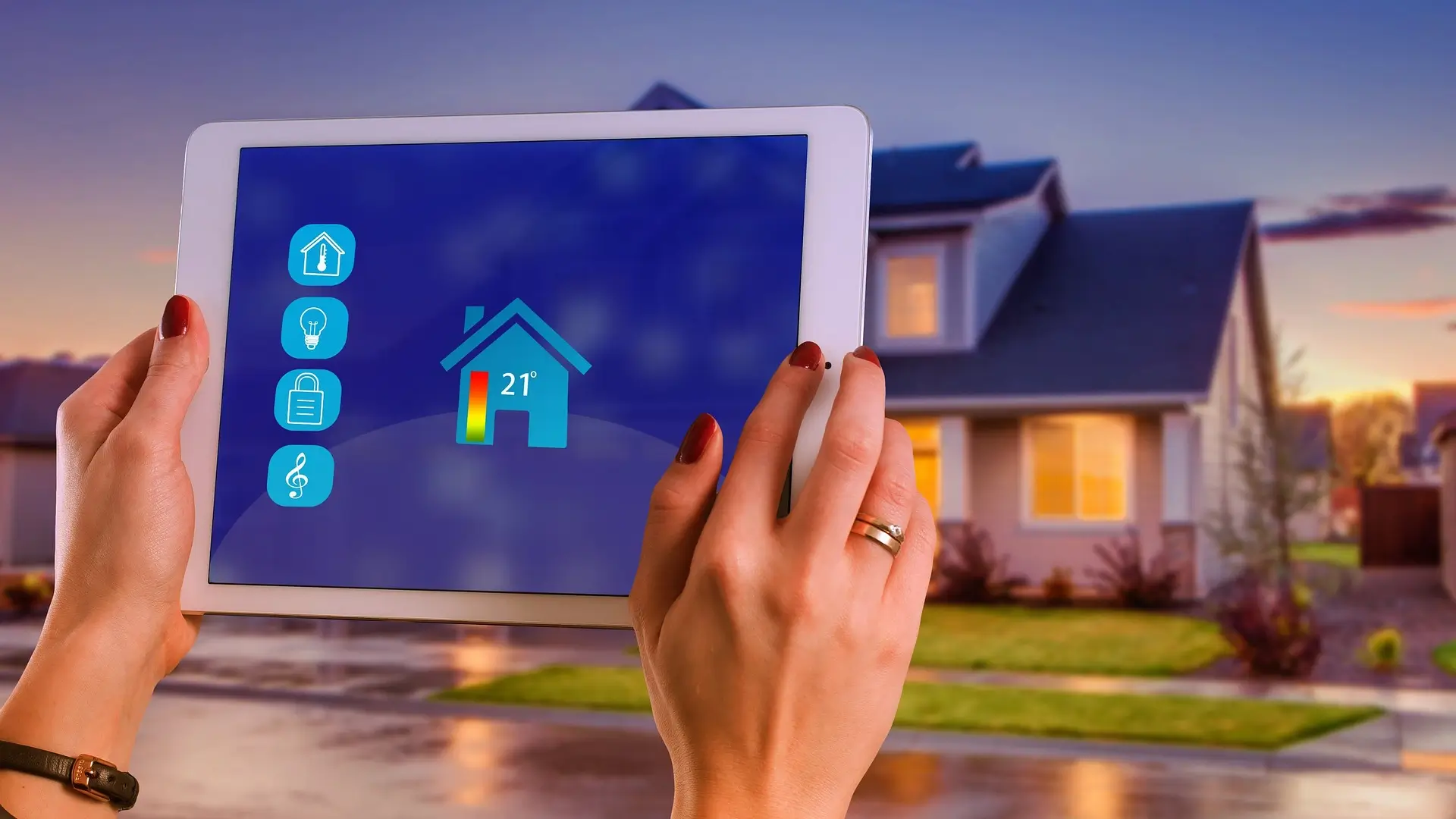

Smart home technology is revolutionising the way we live, offering increased convenience, security, and energy efficiency. With rapid advancements in artificial intelligence, connectivity, and IoT devices, the smart home industry is poised for significant growth in 2024. This article explores the latest trends and innovations in smart home technology and their impact on modern living.
AI-Powered Home Assistants
Artificial intelligence is at the heart of many smart home innovations, with AI-powered home assistants becoming increasingly sophisticated and integrated into daily life.
Voice-Activated Assistants
Voice-activated assistants like Amazon Alexa, Google Assistant, and Apple Siri are becoming more intelligent and versatile. In 2024, these assistants are expected to offer enhanced natural language processing, allowing for more seamless and intuitive interactions. New features, such as proactive suggestions and multi-turn conversations, will enable users to manage their homes more efficiently.
Context-Aware AI
Context-aware AI is another emerging trend in smart home technology. This technology enables devices to understand and respond to the context of their environment, making them more adaptive and personalised. For example, smart thermostats can adjust the temperature based on occupancy patterns and weather conditions, while smart lighting systems can change the ambiance based on the time of day and user preferences.
Connectivity and Interoperability
The seamless integration of smart home devices is crucial for creating a cohesive and efficient smart home ecosystem. Advances in connectivity and interoperability are driving this integration.
Matter Protocol
Matter, a new connectivity standard developed by the Connectivity Standards Alliance (CSA), aims to unify the smart home ecosystem by ensuring interoperability between devices from different manufacturers. Launched in 2024, Matter allows devices to communicate seamlessly, simplifying setup and enhancing user experience. Major tech companies, including Apple, Google, Amazon, and Samsung, have adopted Matter, paving the way for a more connected and interoperable smart home environment.
G and Wi-Fi 6E
The rollout of 5G and Wi-Fi 6E networks is enhancing the connectivity and performance of smart home devices. These technologies offer higher bandwidth, lower latency, and increased capacity, enabling faster and more reliable communication between devices. In 2024, the adoption of 5G and Wi-Fi 6E is expected to accelerate, providing the infrastructure needed for advanced smart home applications.
Security and Privacy
As smart home technology becomes more prevalent, ensuring the security and privacy of connected devices is paramount.
Enhanced Security Features
Manufacturers are incorporating advanced security features into smart home devices to protect against cyber threats. These features include end-to-end encryption, biometric authentication, and secure boot processes. In 2024, we can expect to see more devices with built-in security measures that safeguard user data and prevent unauthorised access.
Privacy by Design
Privacy by design is a growing trend in the smart home industry, where privacy considerations are integrated into the design and development of products from the outset. Companies are prioritising user consent and data minimization, ensuring that personal information is collected and used transparently. In 2024, more smart home devices will adopt privacy by design principles, giving users greater control over their data.
Energy Efficiency and Sustainability
Smart home technology is playing a crucial role in promoting energy efficiency and sustainability, helping users reduce their environmental footprint.
Smart Energy Management
Smart energy management systems are becoming more sophisticated, allowing homeowners to monitor and optimise their energy usage. These systems use AI and machine learning algorithms to analyse energy consumption patterns and provide recommendations for reducing waste. In 2024, the integration of renewable energy sources, such as solar panels and home batteries, with smart energy management systems will become more common, further enhancing energy efficiency.
Eco-Friendly Devices
Manufacturers are increasingly focusing on the sustainability of their products, designing smart home devices that are energy-efficient and environmentally friendly. This includes using recyclable materials, reducing power consumption, and implementing sustainable manufacturing practices. In 2024, we can expect to see more eco-friendly smart home devices that align with consumers’ growing environmental consciousness.
Health and Wellness
Smart home technology is also making significant contributions to health and wellness, improving the quality of life for users.
Indoor Air Quality
Maintaining good indoor air quality is essential for health and well-being. Smart air purifiers and monitors are becoming more advanced, offering real-time data on air quality and automatically adjusting settings to maintain a healthy environment. In 2024, integration with other smart home systems, such as HVAC and ventilation, will further enhance indoor air quality management.
Health Monitoring
Wearable health monitoring devices, such as smartwatches and fitness trackers, are increasingly being integrated into the smart home ecosystem. These devices can provide valuable health data, such as heart rate, sleep patterns, and activity levels, which can be used to tailor home environments to support well-being. In 2024, advancements in health monitoring technology will enable more personalised and proactive health management within the smart home.
Conclusion
The evolution of smart home technology is transforming the way we live, offering enhanced convenience, security, energy efficiency, and health benefits. With advancements in AI, connectivity, security, and sustainability, the smart home industry is poised for significant growth in 2024. As these technologies continue to evolve, they will play an increasingly important role in shaping the future of modern living, making our homes smarter, safer, and more efficient.