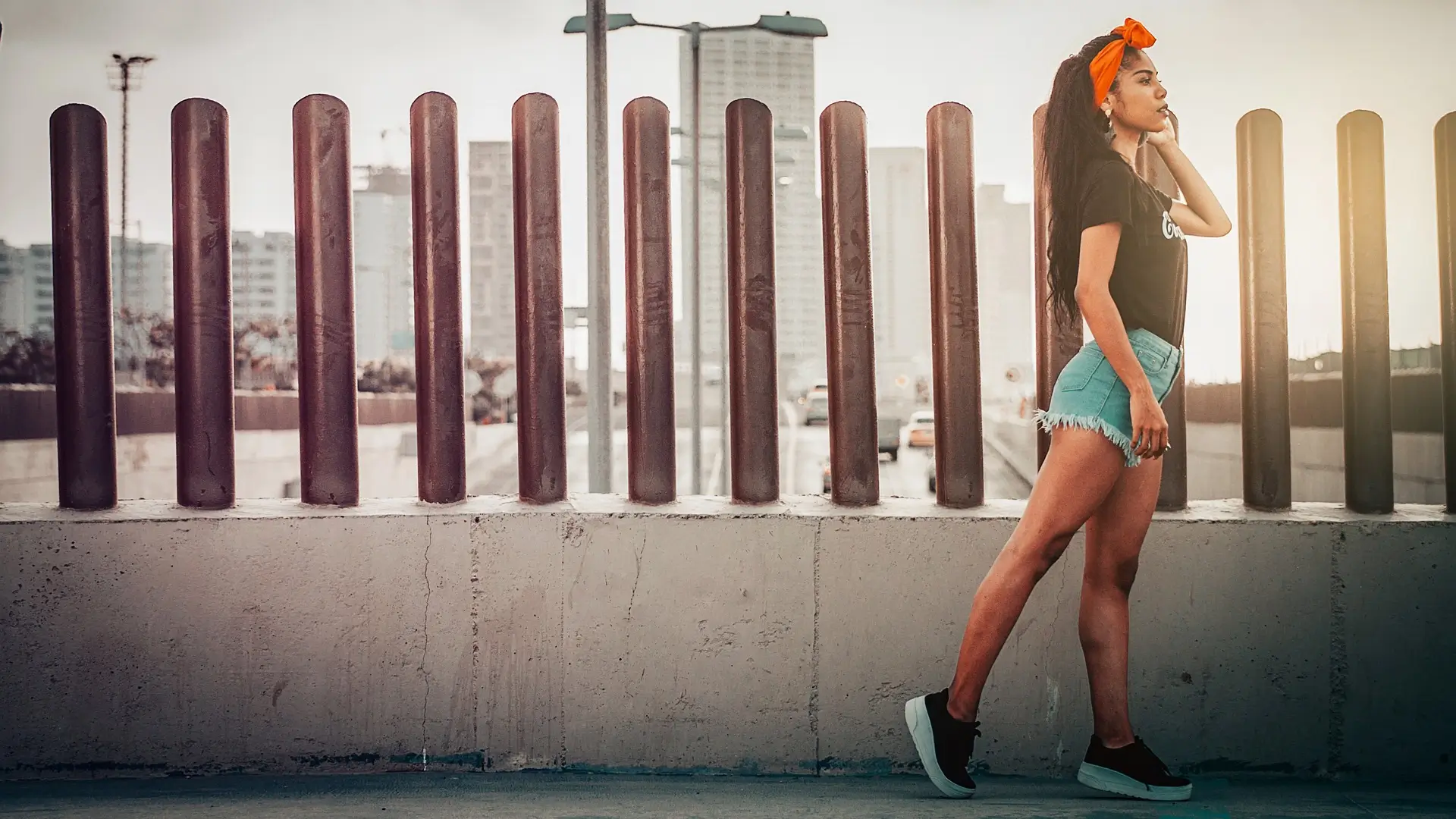

Streetwear has undergone a remarkable evolution, transitioning from an underground subculture to a dominant force in mainstream fashion. With its roots in skateboarding, hip-hop, and youth culture, streetwear now influences global fashion trends and attracts collaborations with luxury brands. This article delves into the history, key players, and future direction of streetwear.
Origins of Streetwear
Streetwear emerged from the streets, drawing inspiration from various subcultures and communities.
Skateboarding Culture
The skateboarding scene of the 1970s and 1980s played a pivotal role in the birth of streetwear. Brands like Stüssy and Supreme began as small labels catering to skaters, offering comfortable and durable clothing. Skateboarders embraced these brands for their authenticity and connection to the lifestyle.
Hip-Hop Influence
Hip-hop culture significantly shaped streetwear in the 1980s and 1990s. Artists like Run-D.M.C. and Public Enemy popularised bold, logo-heavy clothing, merging fashion with music. Streetwear became a form of self-expression and identity for urban youth, reflecting the spirit of rebellion and creativity.
Key Players and Iconic Brands
Several key players and iconic brands have defined and propelled streetwear to new heights.
Supreme
Supreme, founded in 1994, is a cornerstone of streetwear. Known for its limited releases and high-profile collaborations, Supreme has maintained its status by creating a sense of exclusivity and desirability. The brand’s box logo has become a symbol of streetwear culture.
A Bathing Ape (BAPE)
Founded by Nigo in 1993, BAPE introduced Japanese streetwear to a global audience. With its distinctive camo patterns and ape logo, BAPE quickly gained a cult following. The brand’s unique designs and celebrity endorsements helped cement its place in streetwear history.
Off-White
Off-White, created by Virgil Abloh in 2012, represents the intersection of streetwear and high fashion. Abloh’s designs blend streetwear aesthetics with luxury elements, challenging traditional fashion boundaries. Off-White’s success has inspired other luxury brands to embrace streetwear influences.
Streetwear Meets High Fashion
The fusion of streetwear and high fashion has transformed the industry, creating new opportunities and collaborations.
Designer Collaborations
Collaborations between streetwear brands and luxury fashion houses have become increasingly common. Partnerships like Louis Vuitton x Supreme and Dior x Air Jordan have blurred the lines between streetwear and high fashion, creating highly sought-after collections that appeal to diverse audiences.
Runway Integration
Streetwear has made its way onto high fashion runways, with designers incorporating street-inspired elements into their collections. This integration has brought streetwear aesthetics to a broader audience, elevating its status within the fashion industry.
Cultural Impact and Global Reach
Streetwear’s cultural impact extends beyond fashion, influencing music, art, and social movements.
Music and Celebrities
Music and celebrities have played a crucial role in popularising streetwear. Artists like Kanye West, Pharrell Williams, and Rihanna have not only worn streetwear but also launched their own successful brands. Their influence has propelled streetwear into mainstream culture.
Social Media and Hype Culture
Social media platforms and hype culture have fueled the growth of streetwear. Limited releases and drops create a sense of urgency and exclusivity, driving demand and resale markets. Platforms like Instagram and TikTok amplify trends and connect streetwear enthusiasts worldwide.
Future Directions of Streetwear
The future of streetwear is poised for continued evolution and innovation.
Sustainability and Ethical Practices
As consumers become more environmentally conscious, streetwear brands are increasingly focusing on sustainability and ethical practices. Brands are exploring eco-friendly materials, transparent supply chains, and circular fashion models to reduce their environmental impact.
Digital Fashion and Virtual Reality
Digital fashion and virtual reality (VR) are emerging as new frontiers for streetwear. Virtual clothing and digital fashion shows offer novel ways for brands to engage with audiences. The integration of VR technology allows consumers to experience streetwear in immersive and interactive environments.
Conclusion
The evolution of streetwear from a subculture to mainstream fashion is a testament to its enduring appeal and cultural significance. With its roots in skateboarding and hip-hop, streetwear has transcended its origins to become a global phenomenon. As it continues to evolve, streetwear will likely shape and be shaped by new trends, technologies, and social movements, solidifying its place in the ever-changing fashion landscape.